
Kerepēhi Raw Water Upgrades
8th May 2026 - The Official Opening
We are proud to celebrate the completion of the $9 million project strengthening the resilience of water supply to Kerepēhi and the surrounding area.
The milestone was marked with a formal opening at the Kerepēhi Water Treatment Plant.
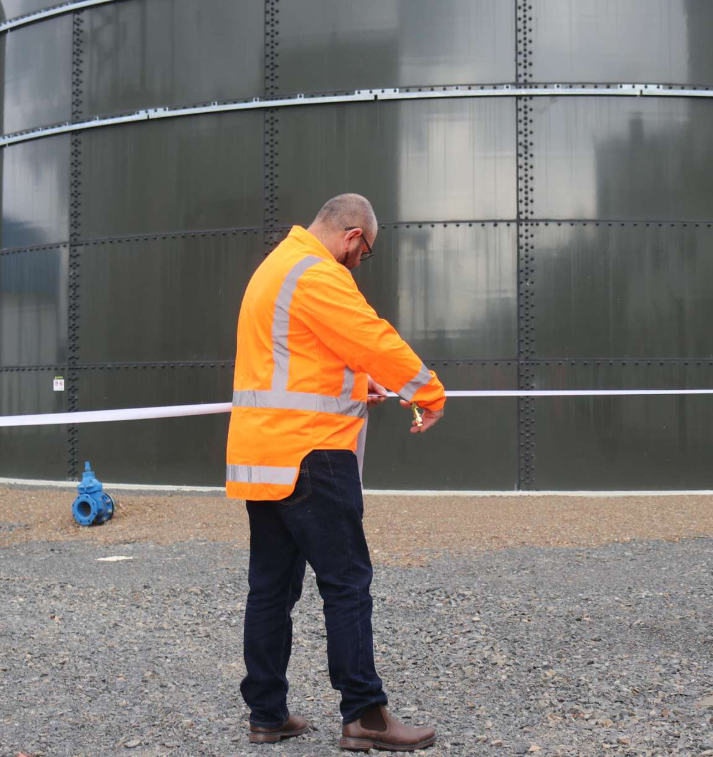 Mayor, Toby Adams officially cuts the ribbon...
Councillors Paul Milner, Sara Howell, Stephen Crooymans and Neil Grey joined Council management and staff to tour the new water supply tanks and celebrate the successful delivery of this important infrastructure investment.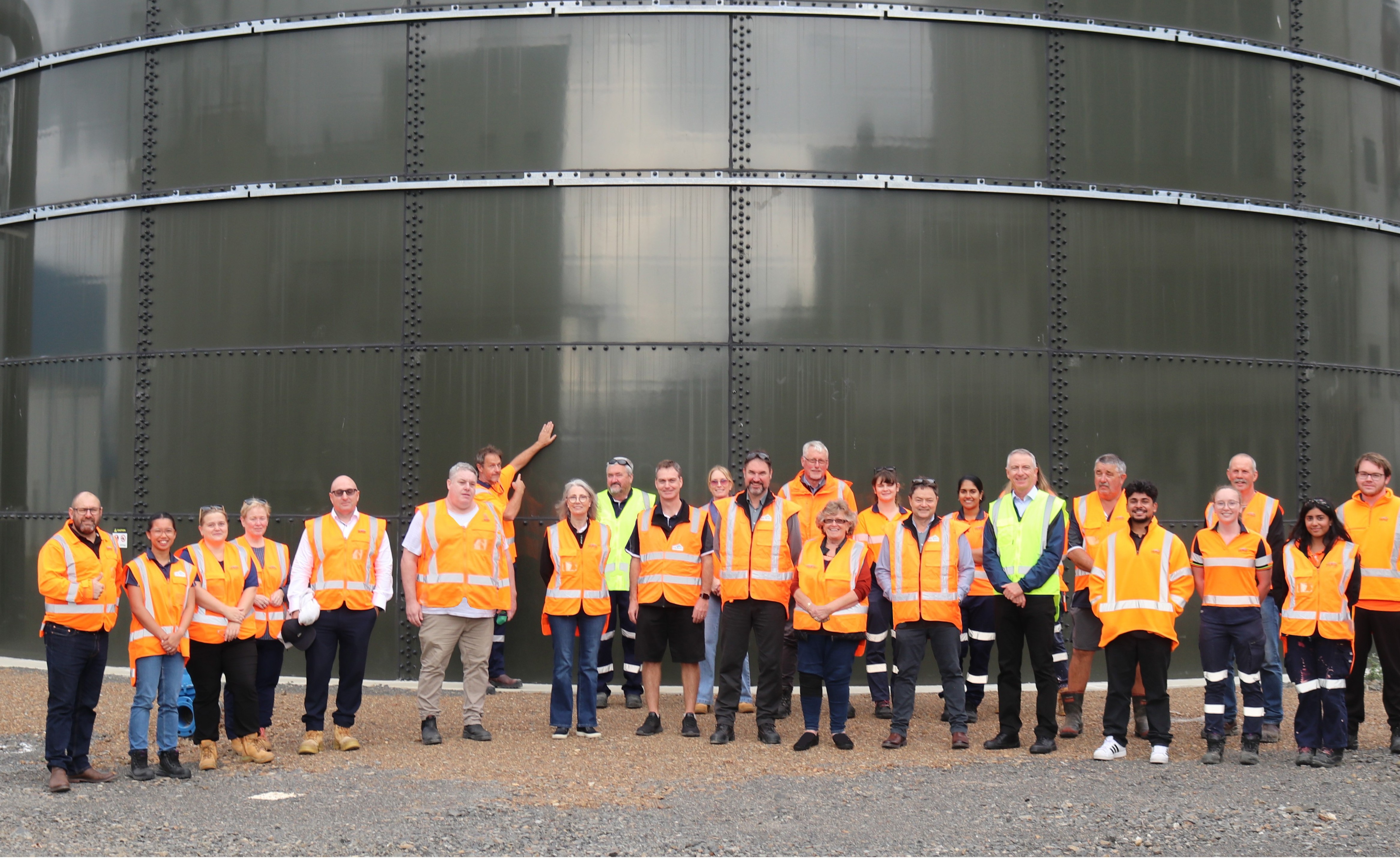
Along with the new watermain which runs from the Waihou River to the treatment plant (via the upgraded pumpstation), the two new tanks add around four million litres of additional storage. This will provide a continuous supply and significantly reduce the possibility of a water shortage.
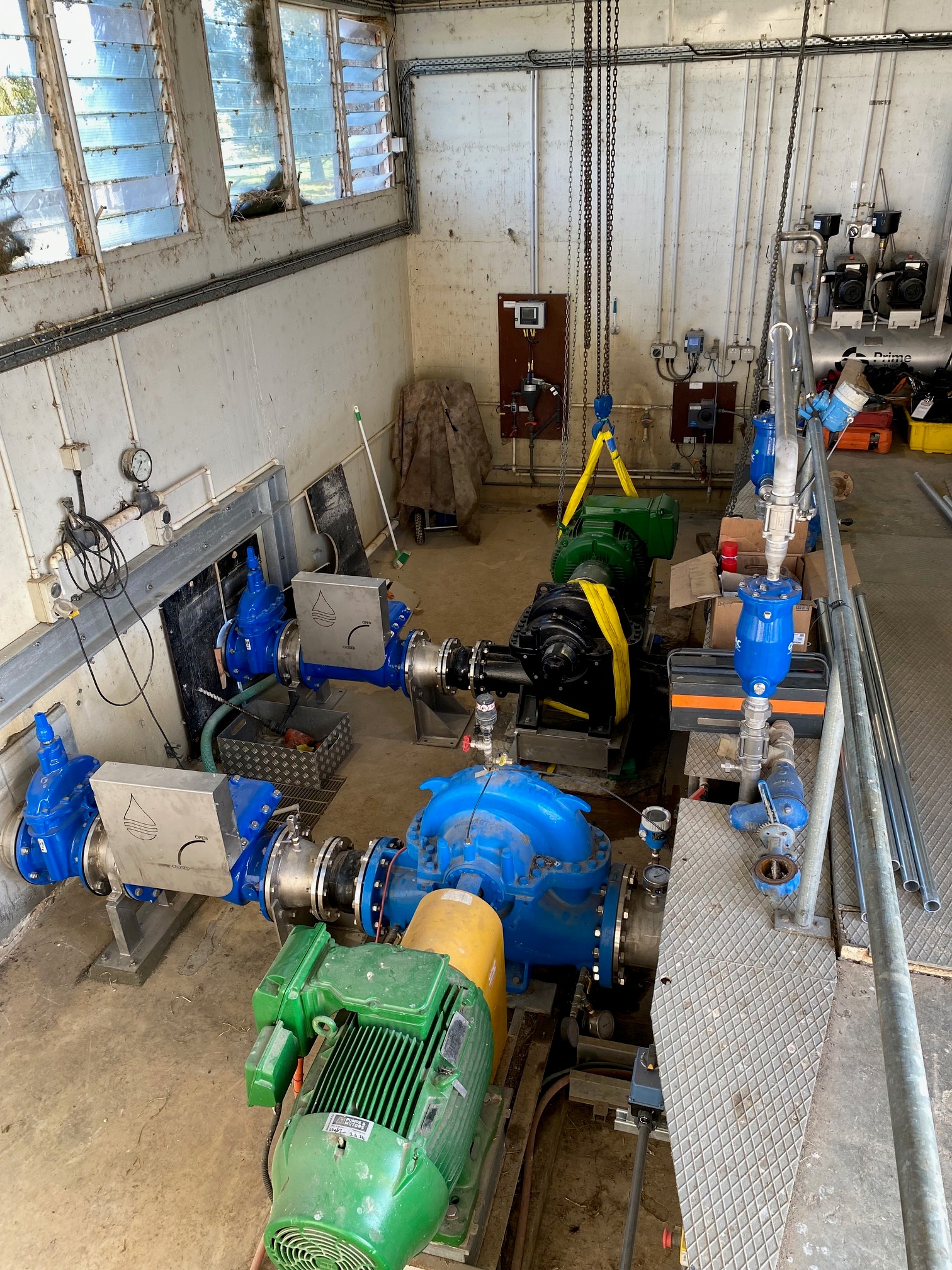 Inside the Waihou pumpstation...
Why are the two tanks needed?
At its previous processing throughput, the water treatment plant held about 24-hours of raw water reserves. The water supply was influenced by the tidal conditions of its source, the Waihou River. It could also be adversely affected by severe weather events.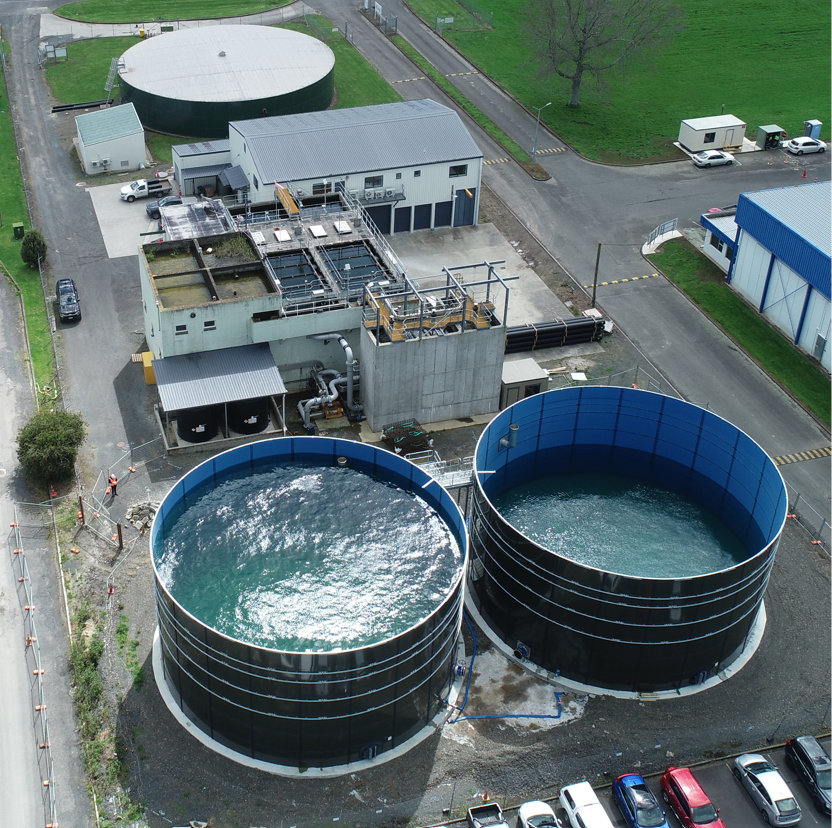
Construction was carried out by Reliant Solutions Limited, who also constructed the two treated water storage reservoirs at the site in 2018. The two new tanks were constructed simultaneously at the back of the treatment plant.
Feel free to take a look at the timelapse video featured on this page. This shows the construction process from the ground preparations to the finished tanks.
What's happening with the supply pipes?
The previous 5.3km-long water pipe that supplies raw water had come to the end of its life and has been replaced with a wider pipe.
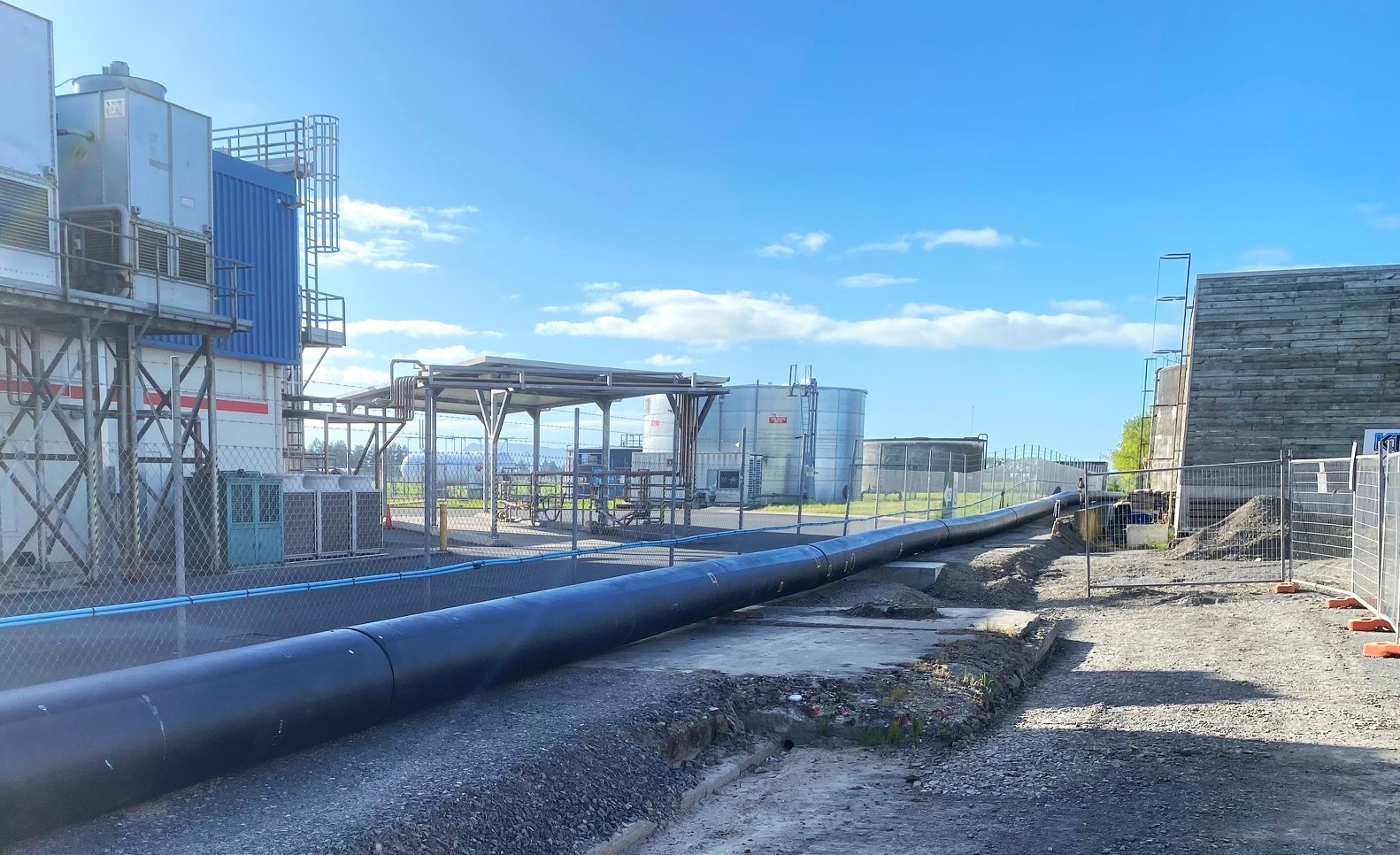
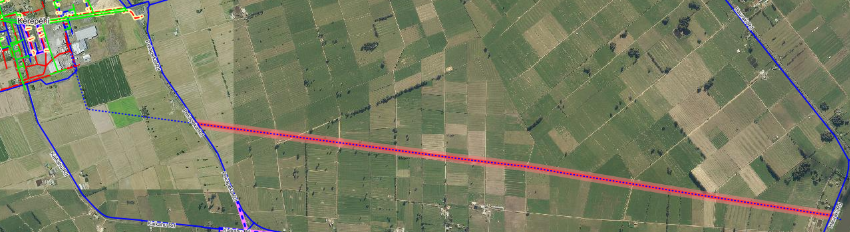 Above: The red and blue line is the water main which has been replaced
-
Renewal of raw water main from the Pekapeka intake to Kerepēhi water treatment plant
Kerepēhi Raw Water Upgrades has finished this stage
-
Construction of the two new raw water reservoirs at Kerepēhi water treatment plant
Kerepēhi Raw Water Upgrades has finished this stage -
Connection of new raw water main and raw water reservoirs
Kerepēhi Raw Water Upgrades has finished this stage -
Project complete
Kerepēhi Raw Water Upgrades is currently at this stage
-

Phone 0800 734 834 (within district) Email info@hauraki-dc.govt.nz
-
 View the timelapse video of the construction of the Kerepēhi raw water storage reservoirs.
